For over two millennia, archery, in various forms, has etched its presence in human history. Indications of its ancient roots emerge from the discovery of stone arrowheads in Africa, dating back to a staggering period before 20,000 years BC. In these primordial times, the bow likely served as a pragmatic hunting tool, surpassing the efficacy of spears.
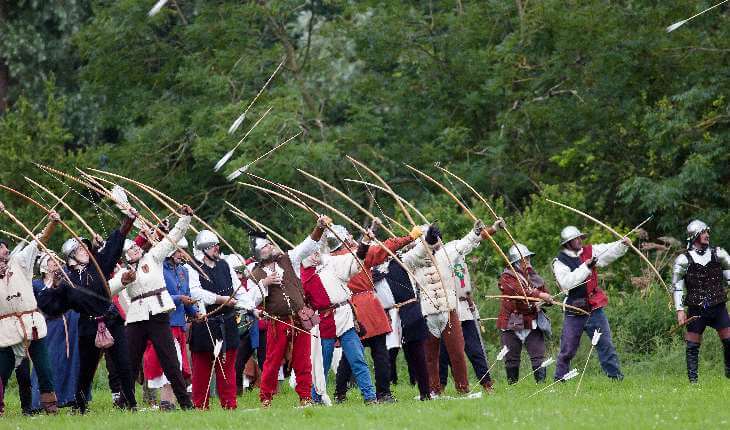
As the sands of time continued to trickle, archery evolved into an instrument of warfare, a transition documented in the wall paintings of Egypt. Our historical tapestry is interwoven with narratives of medieval battles where the longbow played a pivotal role, tipping the scales in favor of those who wielded it skillfully. It wasn’t until the later emergence of gunpowder and artillery that the bow gradually receded from its prominence as a formidable weapon, a testament to the ceaseless evolution of technology and tactics in the annals of human conflict.
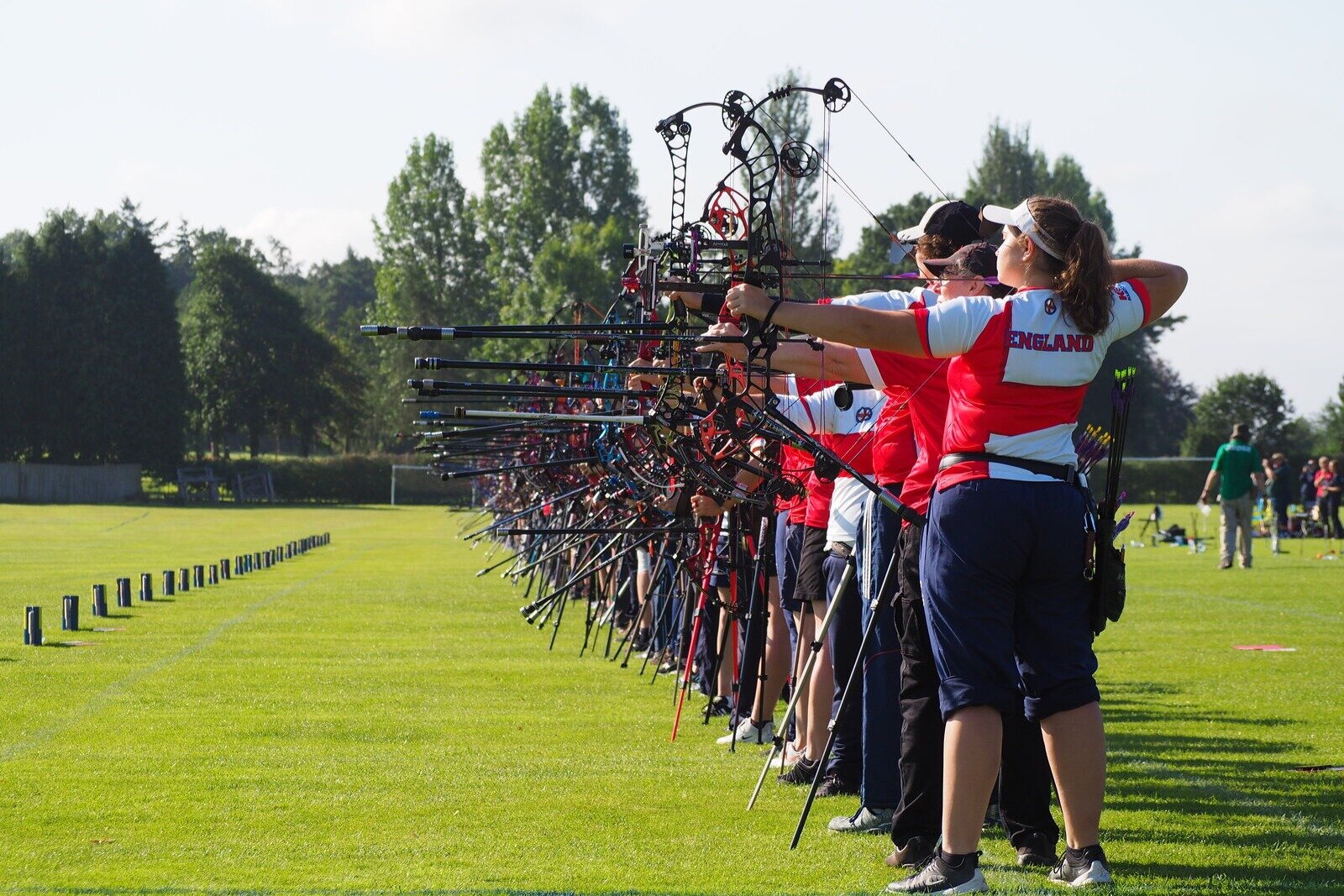
In contemporary times, archery has transformed from a tool of survival and warfare into a highly popular sport. The landscape of archery now encompasses diverse disciplines and competitions, catering to a wide range of enthusiasts. From the precision of recurve target archery, showcased prominently at the Olympic Games, to the challenges of field competitions set in rugged landscapes and forests across the nation, the sport offers a varied tapestry of experiences. Notably, competitions with compound bows have emerged, showcasing unparalleled accuracy in the archer’s craft.
Beyond the modern advancements, archery remains deeply rooted in tradition, embracing styles that harken back to bygone eras. The longbow, a timeless emblem of archaic prowess, stands as a testament to the enduring allure of traditional bow styles. In this contemporary resurgence, archery has not only preserved its historical essence but has also reinvented itself, captivating a diverse community of practitioners and spectators alike.

TArget Archery
Modern archery finds its most recognizable expression in target archery, a format that unfolds in both outdoor and indoor settings. Archers test their skills at distances reaching up to 90 meters, taking aim at the quintessential five-colored, 10-ring target that has become an emblem of the sport.
On the international stage, target archery showcases two distinctive bow styles: recurve and compound. The former graces the Olympic Programme, while the latter takes center stage at the World Games. Notably, both recurve and compound archery earn their place in the Paralympic Games, contributing to the global inclusivity of the sport.
With a presence in clubs spanning over 150 countries, target archery stands as a rapidly expanding phenomenon. As enthusiasts from diverse corners of the world embrace this discipline, the sport continues to carve its mark, resonating with a growing community of passionate archers.
Field Archery
Field archery, a dynamic variant of modern archery, unfolds across a diverse multi-target course, often likened to the layout of a golf course. The course weaves through a variety of terrains, encompassing fields, woods, and forests, creating a challenging and picturesque backdrop.
International field archery accommodates three distinct bowstyles: recurve, compound, and barebow. Recurve and barebow athletes engaging in field archery find recognition on the World Games program, alongside their counterparts in compound target archery.
In contrast to the level surfaces of target archery, field archery introduces a three-dimensional element, incorporating undulating landscapes, unmarked distance targets, and navigating through the interplay of light, dark, and shadow. These additional complexities demand a unique set of skills collectively termed as “fieldcraft.”
Archers in the field typically aim at black and yellow target faces placed at distances of up to 60 meters. The targets feature six concentric rings, with the inner gold ring scoring the highest at six points, while the outer gold ring earns five points. The challenge intensifies as archers navigate the black rings, each representing a decrease in point value from four to one. Field archery thus presents a captivating blend of skill, strategy, and environmental adaptability for athletes navigating its dynamic terrains.

do you want new challenges?
Barnstaple Archers |
Powered by WordPress